Traditional cast iron and enameled cast iron share the same heavy-duty foundation, but they behave differently in the kitchen. Traditional cast iron has an exposed iron cooking surface that develops seasoning over time, while enameled cast iron has a glass-like enamel coating over the iron. Both retain heat well and can handle serious cooking, but the better choice depends on how often you sear, braise, cook acidic foods, and maintain your cookware. From the professional academic knowledge, University of Maine Cooperative Extension highlights cast iron’s excellent heat retention and durability, while Utah State University Extension notes that enameled cast iron is particularly useful for braising and casserole-style cooking.
As a chef, I wouldn’t call one universally better. Traditional cast iron is my pick for high-heat searing, frying, and cooks who enjoy developing a seasoned cooking surface. Enameled cast iron is more appealing when easy maintenance, acidic ingredients, and covered braising are higher priorities.
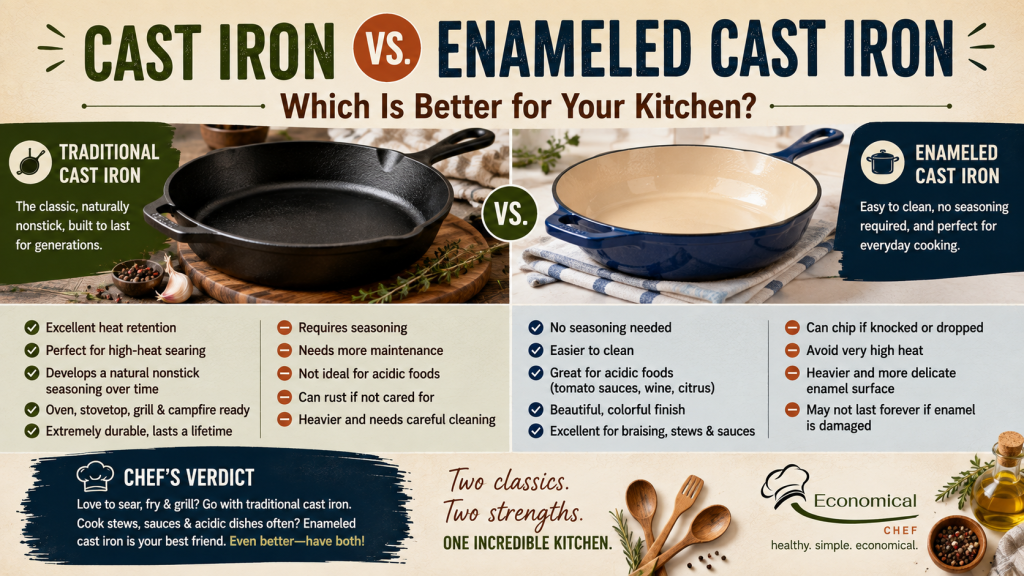
Traditional Cast Iron vs. Enameled Cast Iron
| Feature | Traditional Cast Iron
|
Enameled Cast Iron
|
|---|---|---|
| Cooking surface | Seasoned iron | Enamel-coated iron |
| Seasoning required | Yes | No |
| Heat retention | Excellent | Excellent |
| High-heat cooking | Excellent | Good, but follow manufacturer limits |
| Acidic foods | Requires more care | Better suited |
| Rust resistance | Requires maintenance | Enamel protects exposed iron |
| Cleaning | More hands-on | Generally easier |
| Weight | Heavy | Heavy |
| Best uses | Searing, frying, baking | Braising, stewing, sauces, oven-to-table |
| Long-term care | Requires seasoning | Protect enamel from chips and damage |
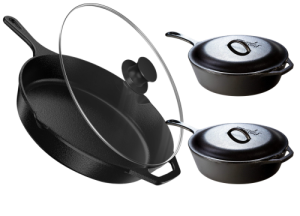
Traditional Cast Iron: Best for High-Heat Cooking
Traditional cast iron is the classic choice for cooks who want a tough, versatile workhorse. Once properly heated, it holds onto heat exceptionally well, making it particularly effective for searing steaks, chicken, pork, burgers, and vegetables. The University of Maine Cooperative Extension specifically recommends cast iron for searing proteins because of its strong heat retention.
The cooking surface also develops seasoning with use. That seasoned layer can improve food release while helping protect the iron from rust. The trade-off is maintenance: you need to clean, dry, and occasionally re-season the pan.
From my chef’s perspective, this isn’t a major disadvantage if you enjoy cooking with cast iron. A few minutes of proper care after cooking is a small price to pay for a pan that can remain useful for years.
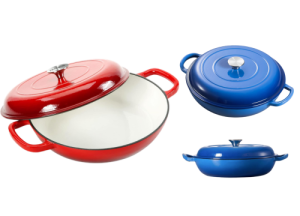
Enameled Cast Iron: Best for Easier Maintenance
Enameled cast iron gives you the heat-retaining body of cast iron while covering the cooking surface with enamel. Because the food doesn’t contact bare iron, you don’t need to build or maintain a traditional seasoning layer.
That’s a major advantage for cooks who want cast iron performance without the seasoning routine.
Enameled cookware is also particularly useful for acidic and moisture-rich recipes. Traditional cast iron can interact more with acidic foods, and acidic cooking can affect the seasoning. Research has shown that food acidity, cooking time, and cooking conditions can influence iron migration from iron cookware.
For tomato-based sauces, wine-based braises, stews, and long-simmered dishes, I often prefer an enameled surface. It gives me more freedom to cook these foods without worrying about maintaining the seasoning layer.
Which One Is Better for Searing?
Traditional cast iron gets my vote.
Both varieties can sear effectively because the cast iron core retains heat, but traditional cast iron is especially well suited to high-heat cooking. You also don’t have an enamel coating to worry about when working with a very hot pan.
That said, don’t assume enameled cast iron cannot sear. It can produce excellent browning when properly preheated and used with enough cooking fat. The key difference is that you should follow the manufacturer’s heat recommendations rather than treating an enameled skillet exactly like bare cast iron.
Which Is Better for Braising?
Enameled cast iron is my preferred choice for frequent braising.
Braising typically involves browning food, adding liquid, and then cooking slowly. Enameled cast iron is particularly convenient here because the surface is easy to maintain and well suited to wet, often acidic cooking.
A lidded braiser or skillet also gives you a useful combination: brown uncovered, add liquid, then cover and cook gently.
Utah State University Extension describes enameled cast iron as a versatile choice for braising and casseroles and recommends avoiding excessively high direct heat when using it.
Which Is Easier to Clean?
Enameled cast iron generally wins for convenience.
Traditional cast iron needs more attention after cooking. You should clean it without prolonged soaking, dry it thoroughly, and maintain the seasoning when necessary. University of Illinois Extension recommends hand-washing traditional cast iron, drying it thoroughly, and re-seasoning when the surface becomes dry, discolored, or increasingly sticky.
Enameled cast iron eliminates that seasoning routine, although it still needs sensible care. The enamel can chip or crack if handled roughly, so I wouldn’t treat an enameled skillet like indestructible bare iron.
Which Should You Buy?
Choose traditional cast iron if you:
- Love high-heat searing and frying
- Want a naturally developing seasoned cooking surface
- Cook frequently with cast iron
- Don’t mind regular maintenance
- Want a rugged pan for stovetop, oven, grill, or campfire cooking
Choose enameled cast iron if you:
- Want easier everyday maintenance
- Frequently cook tomato-based or other acidic dishes
- Make lots of braises, stews, and sauces
- Prefer a cookware surface that doesn’t require seasoning
- Want cookware that can move from oven to table
Chef’s Verdict
For me, the decision comes down to cooking style rather than which material is objectively better. If your kitchen revolves around steaks, burgers, fried foods, cornbread, and high-heat cooking, traditional cast iron is hard to beat. If you make more braises, stews, sauces, casseroles, and acidic dishes — or simply don’t want to think about seasoning — enameled cast iron is the more convenient choice.
And you don’t necessarily have to choose only one. A traditional skillet can handle the aggressive searing jobs while an enameled braiser handles slow, moist cooking.
If you’re ready to compare actual products, see our guide to Best Cast Iron Skillets with Lids in 2026 for practical picks covering both traditional and enameled options.
References
- University of Maine Cooperative Extension – Cast Iron: How to Clean, Season, and Maintain Your Cast Iron Pan.
- University of Illinois Extension – A Guide to Cast-Iron Cookware
- Utah State University Extension – Enameled Cast Iron Cookware
- National Library of Medicine / PubMed – Iron Content of Food Cooked in Iron Utensils